We started on the floor, not in a lab
ForgePuls was built by people who have stood next to a die casting press at 2am, watching scrap pile up, with no fast way to know whether the problem was the die, the alloy, or the process.
How ForgePuls started
In 2022, our co-founders Katarina Novak and Mihail Dragan were working at a mid-size aluminum HPDC facility in northeast Ohio. They were running A380 brackets for an automotive OEM under a part approval process that required 100% dimensional inspection and 10% CT sampling. The 10% CT sample was chosen arbitrarily. Nobody knew if it was catching the right 10%.
During a routine lot audit, a customer found shrinkage porosity in field returns. The root cause traced back to a billet temperature control drift that had been occurring intermittently for six weeks. The CT samples had never caught it because the sampling scheme wasn't correlated with any process signal. The cost of that single field return event - warranty claims, customer PPAP lockout, expedited CT analysis - exceeded $340,000.
Katarina and Mihail spent the next eighteen months building what they wished had existed. Not a better offline inspection system - a faster one. Something that ran at press speed, correlated defect occurrence with process data in real time, and flagged drift before it became a field problem.
ForgePuls shipped its first production deployment in March 2024 at a sand casting facility in Cleveland. We are now deployed on 11 production lines across 4 customers in the automotive supplier base.
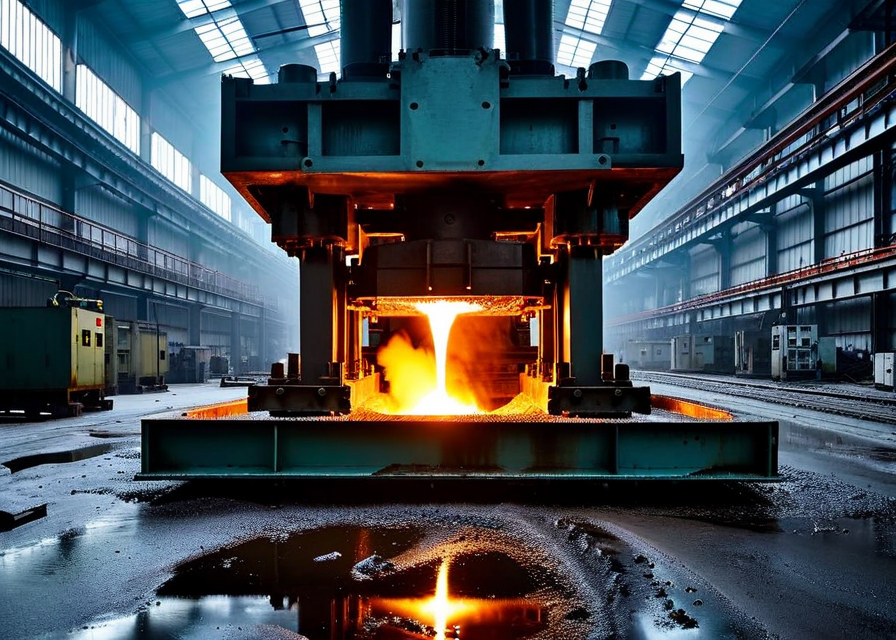
What we believe about quality inspection
Inspection at the press, not the dock
Defects found in the shipping dock are field escapes that narrowly missed your customer. Defects found at the press are process signals you can act on. Those are completely different outcomes.
The cause is upstream
A scrap part is a result, not a cause. The cause is a process variable that drifted outside its control window. Our system exists to find that variable, not just count the rejects.
Data that matches the plant
Foundries run 24 hours, 5 to 7 days a week. Systems that require manual data entry or periodic uploads don't get used. We integrate directly with plant historians and OPC-UA endpoints.
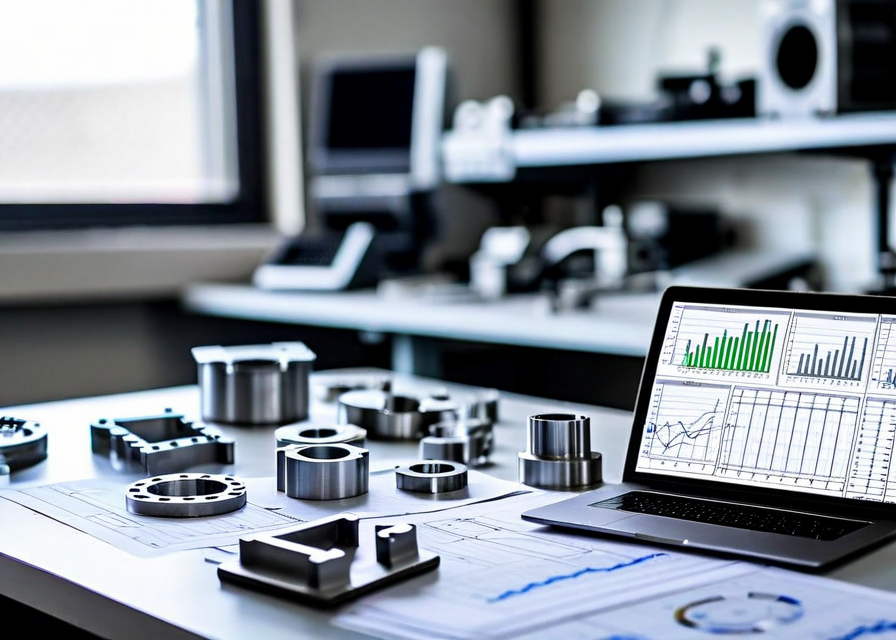
A small team with deep process knowledge
We are 9 people. Half of the team has worked in casting or forging operations. The other half are computer vision and embedded systems engineers. That combination - process expertise and vision engineering - is what makes the detection models accurate on real foundry parts, not controlled lab samples.
We are based in Cleveland, which puts us within 200 miles of a significant portion of North American aluminum casting capacity. That proximity matters. We can put an engineer on-site in Ohio, Michigan, Indiana, or western Pennsylvania within hours, not days.
Meet the Team